Top Acting Schools in New York Offering Classes Every Performer Should Take
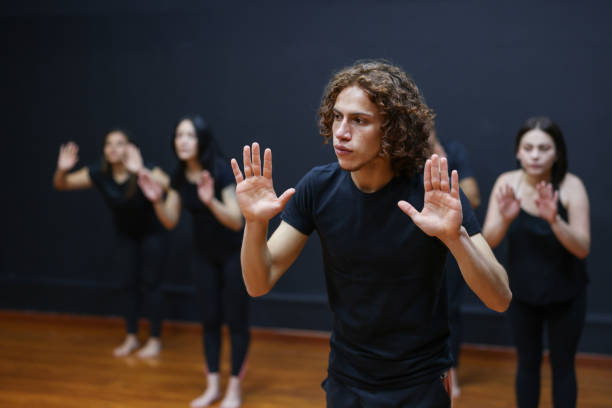
Mastering the art of acting requires continuous learning and practice. While natural talent is valuable, structured training can elevate an actor’s abilities to a professional level. Below are four essential acting classes every performer should consider to hone their craft.
1. Scene Study Classes
Scene study classes are foundational for any actor looking to understand character development, emotional depth, and scene dynamics. These courses are typically conducted in small groups and focus on dissecting scenes from plays or screenplays.
What You’ll Learn:
– Breaking down scripts to understand context and subtext
– Developing authentic character portrayals
– Collaborating with scene partners effectively
Key Benefits:
– Builds confidence in performing live scenes under guidance
– Encourages nuanced understanding of dialogue delivery and pacing
2. Improvisation Classes
Improvisation is more than just thinking on your feet; it’s an essential skill for actors who want to enhance spontaneity and adaptability on stage or set.
Why It’s Important:
– Improves quick decision-making during unexpected scenarios in performances
– Fosters creativity by encouraging actors to trust their instincts
Top Exercises Covered:
– “Yes, And” technique for building dialogue collaboratively
– Group storytelling for enhancing team dynamics
| Skill Improved | Application in Acting |
| Spontaneity | Handling live performances |
| Creativity | Adding depth to character choices |
| Listening | Building authentic interactions |
3. Voice and Speech Classes
Clear, expressive speech is critical for effective acting. These classes focus on improving vocal projection, diction, and emotional resonance through voice work.
Key Areas Often Addressed:
1. Breath control techniques for sustained vocal delivery
2. Enhancing articulation for better clarity
3. Dialect training for mastering accents when required
Whether you’re performing Shakespearean monologues or modern film scripts, strong vocal skills amplify your presence as a performer.
4. Movement Workshops
Acting isn’t just about speaking; it’s also about how you move on stage or in front of the camera. Movement workshops teach actors how to use physicality as a means of storytelling.
Core Elements of Movement Training:
– Understanding body language and its impact on audience perception
– Learning techniques like Laban Movement Analysis or Alexander Technique
– Developing gestures and postures that align with specific characters
| Movement Approach | Purpose | Example Activity |
| Laban Method | Exploring energy flow & effort levels | Improvisational body exercises |
| Alexander Technique | Promoting seamless movement patterns | Posture awareness drills |
Final Thoughts on NYC Acting Classes
Taking these core acting classes can create a solid foundation for any aspiring performer. They build not only technical skills but also confidence, creativity, and professionalism—traits that every actor needs throughout their career journey.
Top Improvisation Techniques Taught at New York Acting Schools
Improvisation is a vital skill for actors, helping them to think on their feet, respond authentically in the moment, and expand their creative range. Whether you’re on stage, in front of a camera, or even auditioning, strong improvisational skills can make your performance more dynamic and engaging. Below are essential improvisation techniques every aspiring actor should learn and practice to hone their craft.
Why Improvisation Matters in Acting
- Respond authentically to unexpected moments.
- Create a more natural connection with other actors.
- Deepen character development by exploring emotions in real-time.
- Build confidence during live performances or high-pressure auditions.
Mastering improvisational techniques doesn’t just improve your acting; it strengthens collaboration and teamwork within an ensemble.
Key Improvisation Techniques for Actors
- One of the foundational principles of improvisation is the “Yes, And” technique. This involves accepting what your scene partner offers (saying “Yes”) and building upon it (“And”).
- Example: If your partner says they’re holding an imaginary suitcase, you might respond by saying it looks too heavy or offer to help carry it.
- Even in unscripted scenarios, characters should have clear goals or motivations. This creates structure within the scene while allowing flexibility in dialogue.
- Ask yourself: “What does my character want right now?”
- Genuine reactions come from being fully present with your scene partner. Pay attention not just to words but also tone and body language.
- Avoid planning responses before your partner finishes speaking; instead, focus entirely on their delivery.
- Use gestures, posture changes, and facial expressions to enhance the storytelling process when words aren’t enough.
- Try silent scenes where you communicate solely through physical movement.
- Experiment with high-status versus low-status characters during exercises to discover new dimensions of power dynamics within scenes.
- Example: A servant who pretends to be royalty vs. a noble who assumes humility can create humorous or dramatic tension.
- Mistakes often lead to moments of brilliance in improv scenes if embraced rather than corrected immediately.
- Train yourself not to judge what happens but adapt fluidly when things go differently than expected.
Suggested Improvisational Exercises
| Exercise | Description | Benefit |
| Word Association | Players say related words quickly without pausing (e.g., “apple → tree → forest”). | Develops spontaneity and mental agility. |
| One Word at a Time Story | Create a story as a group with each person contributing one word at a time. | Encourages collaboration and creativity. |
| Freeze Frame Scenes | Two actors create an improvised scene until someone yells “Freeze!” Then another replaces one actor. | Builds adaptability under changing scenarios. |
Applying Improv Techniques Beyond the Stage
- Auditions: Directors may ask actors to improvise on the spot as part of callbacks or casting decisions.
- Corporate Roles: Many professionals use improv training for public speaking engagements or team-building workshops.
- Character Development: Adding spontaneity can bring depth by discovering new traits about your character organically during rehearsals.
By regularly practicing these techniques and exercises, aspiring actors will not only improve performance ability but also foster creativity that benefits every aspect of their careers as artists.
Essential Improvisation Techniques from an Acting Coach New York Aspiring Actors Should Master
Improvisation is a fundamental skill for any actor. It sharpens your ability to think on your feet, react authentically, and create compelling moments in the absence of a script. Whether you’re performing in the theatre, on screen, or even in auditions, mastering improvisation can elevate your craft and set you apart from others. Below are key techniques every aspiring actor should explore and practice.
The Basics of Improvisation
- Yes, And…: This core rule involves accepting what your scene partner offers (“Yes”) and building on it (“And”). It encourages collaboration and ensures that scenes flow naturally.
- Active Listening: Pay attention to verbal cues, body language, and subtext. Improvisation thrives when performers respond authentically with what they observe.
- Commitment: Fully invest in the scene or character you’re playing without hesitation or overthinking. Confidence is key to making improvisation believable.
- Embrace Failure: Mistakes often lead to unexpected creativity. Allow yourself to take risks without fear of failure—it’s all part of the process.
Key Techniques Every Actor Should Practice
- Explore new characters by creating their backstory spontaneously during an improv exercise.
- Experiment with different personalities, physicalities, or vocal tones while staying consistent within the scene.
- Play with high-status versus low-status behaviors as a way to understand power dynamics between characters.
- Example Exercise: One actor starts as “high status” (e.g., confident leader), while another plays “low status” (e.g., shy subordinate). Explore how shifting these roles affects the relationship.
- Create vivid imaginary settings without props or scenery by miming objects or interacting with unseen elements.
- Practice establishing a sense of place by describing it through action instead of dialogue.
- Change emotions quickly during an improvised scene to adapt to unexpected circumstances.
- Example Exercise: A director gives actors different emotional prompts (joyful, angry, confused) mid-scene to see how they adjust organically.
- In groups, tell a story one word at a time where each participant contributes one word sequentially.
- This exercise improves teamwork and hones your ability to build coherent narratives collaboratively.
Common Mistakes To Avoid
| Mistake | Explanation |
| Blocking | Rejecting another actor’s offer instead of building on it disrupts the flow of a scene |
| Pre-Planned Ideas | Entering a scene with rigid ideas limits spontaneity and makes interactions feel forced |
| Overthinking | Spending too much time analyzing your next move interrupts natural responses |
| “Playing for Laughs” | Forcing humor often feels insincere rather than earning genuine comedic moments naturally |
Benefits of Improvisation for Actors
- Enhances creativity
- Builds confidence during auditions
- Develops better communication skills
- Strengthens adaptability in live performances
Improv isn’t just about being funny or witty—it’s about being present in the moment and responding truthfully within the given circumstances. Aspiring actors who dedicate time to this craft will find themselves better equipped for diverse challenges across all forms of performance art.

Voice-Over Acting: Essential Tips for Building a Versatile Career
Voice-over acting is an exciting and dynamic field that offers an array of opportunities for actors to explore their creativity and expand their craft. From animated characters to commercial advertisements, the range of projects in voice-over work is vast. However, succeeding as a voice-over actor requires more than just having a pleasant voice. Here are essential tips to help you build a versatile and successful career in this specialized area of acting.
Develop Your Vocal Range and Control
- Practice vocal warm-ups daily: This helps prevent strain and keeps your voice flexible.
- Experiment with different tones: Work on creating distinctive voices that can convey varying emotions or character traits.
- Master breath control: Proper breathing techniques ensure clarity, endurance, and consistency during long recording sessions.
Invest in Training
- Diction and articulation – Clear pronunciation is essential for understandable delivery.
- Character development – Learn how to bring depth and nuance to animated or fictional characters.
- Studio techniques – Gain familiarity with microphones, recording software, and soundproofing methods.
Additionally, private coaching from seasoned professionals can provide personalized feedback on your strengths and areas for improvement.
Build a Professional Home Studio
| Equipment | Description |
| Microphone | Invest in a high-quality condenser microphone for clear recordings. |
| Audio Interface | Connects your microphone to your computer while enhancing sound quality. |
| Headphones | Use closed-back headphones to detect subtle audio issues during playback. |
| Recording Software | Choose reliable software like Audacity or Adobe Audition for editing audio files effectively. |
Soundproofing your recording space by using acoustic foam panels or portable sound booths ensures clean audio without background noise.
Create an Impressive Demo Reel
- Include diverse material such as commercials, narration excerpts, character voices, or promotional scripts.
- Keep it short (1–2 minutes) but impactful—highlighting only your best work.
- Regularly update it as you gain more experience.
Network Within the Industry
- Join online forums or social media groups dedicated to voice-over professionals.
- Attend conferences like VO Atlanta or workshops tailored specifically for aspiring voice talent.
- Collaborate with independent creators (e.g., animators or indie game developers) who often seek affordable talent.
Take Care of Your Voice
- Stay hydrated by drinking plenty of water throughout the day.
- Avoid activities that strain the throat (e.g., shouting excessively).
- Rest your voice when needed—overuse can lead to hoarseness or injury.
By focusing on honing technical skills alongside fostering creativity, aspiring performers can carve out successful careers in the ever-expanding world of voice-over acting while maintaining their health and professionalism at every stage.
Discover the Best Acting Classes NYC Offers: A Guide for Aspiring Performers
Theatrical productions are the cornerstone of live performance, offering actors a dynamic platform to showcase their craft. For aspiring performers, gaining a deep understanding of theatrical productions is essential to navigating the complexities of stage acting. This guide explores key aspects of theatrical productions and how actors can prepare for and thrive in this unique space.
The Structure of Theatrical Productions
- Pre-Production: This phase includes script analysis, casting, and design planning. Actors are often required to attend initial read-throughs to understand the director’s vision.
- Rehearsals: During rehearsals, performers work on blocking (movements on stage), character development, and line delivery under the director’s guidance.
- Technical Rehearsals: Tech rehearsals integrate lighting cues, sound effects, set changes, costumes, and props into the performance.
- Dress Rehearsals & Previews: These serve as full runs of the production before it opens to an audience.
- Performances: Actors bring their characters to life in front of live audiences while adapting to real-time feedback and energy.
Key Skills Every Actor Needs for Stage Productions
- On stage, your voice must carry across large spaces without microphones. Practicing vocal projection ensures clarity and audibility.
- Articulation exercises help maintain crisp diction so every word resonates with the audience.
- Stage acting requires heightened physicality due to its visual nature. Actors should refine their body language and ensure movements align with their characters’ motivations.
- Live theatre presents unpredictable challenges such as forgotten lines or technical hiccups. Quick thinking helps maintain immersion for the audience.
- Rehearsal schedules are demanding; committing fully means managing your time efficiently while balancing other responsibilities.
Collaboration in Theatre
| Role | Contribution | Tips for Collaboration |
| Director | Guides overall vision | Be open to feedback; understand their perspective |
| Costume Designer | Designs wardrobe | Learn how costumes influence movement |
| Lighting Designer | Creates mood through lighting | Work within lighting cues during rehearsals |
| Stage Manager | Oversees logistics | Communicate openly about scheduling or needs |
Effective communication with these collaborators will streamline processes and create a cohesive production.
Preparing for Your Role
- Script Analysis: Begin by breaking down your script—identify objectives for your character in each scene.
- Character Development: Dive deep into your character’s backstory and emotional motivations.
- Memorization Techniques: Use repetition or mnemonic devices for memorizing lines effectively.
- Research Contexts: Understand historical or cultural contexts tied to your role or play.
Final Thoughts on Theatre’s Importance
Engaging in theatrical productions builds discipline and versatility as an actor while fostering an appreciation for teamwork within creative endeavors. By mastering these skills and approaches mentioned above, aspiring performers can confidently step onto any stage prepared for success.
How Dance Can Enhance Your Acting Performance and Stage Presence
Actors often focus heavily on voice, script analysis, and characterization, but physical movement is an equally critical aspect of delivering a captivating performance. Dance, in particular, can serve as a powerful tool to enhance an actor’s abilities on stage and screen. It not only improves physical coordination but also deepens an actor’s emotional expressiveness and stage presence.
Benefits of Incorporating Dance into Acting
- Dance teaches actors to understand their bodies more intuitively. This awareness helps them take control of their movements during performances and portray characters with more authenticity.
- Movement in dance fosters the ability to express emotions through the body. Actors who train in dance can better convey feelings such as joy, anger, or sadness without relying solely on dialogue.
- A dancer’s focus on posture and alignment translates to commanding attention on stage or in front of the camera. Actors learn how to project confidence through their physicality.
- Whether playing a historical character or performing in modern storytelling, an actor trained in dance can adapt their movements to fit the tone and style of any production.
- Many productions include choreographed scenes or fight sequences that require actors to follow detailed instructions from movement directors or choreographers. Training in dance makes this process smoother.
Types of Dance That Benefit Actors
| Dance Style | How It Helps Actors |
| Ballet | Improves posture, balance, and precision; ideal for classical roles |
| Jazz | Enhances rhythm, energy levels, and versatility |
| Contemporary | Encourages fluidity of movement and emotional expression |
| Tap | Develops timing skills crucial for comedic scenes |
| Ballroom/Social Dances | Teaches partner work essential for romantic or period dramas |
Practical Ways to Integrate Dance into Your Acting Training
- Enroll in Classes
Join beginner or intermediate-level dance classes that align with your acting goals (e.g., contemporary for emotional roles or ballroom for period pieces). - Practice Movement-Based Improvisation
Combine what you’ve learned from acting classes with exploratory movement exercises inspired by dance techniques. - Work with a Movement Coach
A professional coach can help merge your acting choices with dynamic physicality grounded in dance principles. - Join Community Performances
Participating in local musicals or theater productions that integrate choreography allows you to practice blending acting with dance skills on stage. - Study Iconic Performers Who Excelled at Both Disciplines
Look at actors like Gene Kelly (known for his combination of acting talent and remarkable dancing) as sources of inspiration.
Final Thoughts
Dance is more than just a supplementary skill—it’s a way for actors to refine their craft by tapping into the body’s ability to communicate beyond words. By strengthening coordination, building confidence on stage, and embodying emotion through movement, performers who integrate dance training into their routines elevate both their technical abilities and storytelling potential significantly.
- Your Ultimate Guide to Acting Classes NYC: What to Bring and How to Prepare for Success
- Top Acting Schools in New York Offering Classes Every Performer Should Take
- How to Prepare for Your First Acting Class at New York Acting Schools and Make the Most of It
- How to Overcome the Fear of Starting Acting Classes NYC
- Top Reasons to Enroll in Acting Classes NYC for Private Coaching
- What You Will Learn in NYC Acting Classes to Enhance Your Skills and Confidence


